
America is not delivering the way it used to. Part of the reason is structural: the people who think carefully about how a free society works, the people who actually build inside it, and the rules they both operate under have drifted out of sync. Scholars produce arguments that don't reach the builders. Builders solve problems without the longer view that would make their work durable. And the laws governing both were largely written for a country that no longer exists.
This cost shows up in the specifics. A group of women tries to open a birth center in the Bronx, runs out of money clearing New York's permitting process, and the birth center is never built. Multiply that by a thousand and you have a country that has lost some of its capacity to translate good ideas into things people can use.
This is the problem IHS exists to address. Flourishing House, the gathering IHS convened at South by Southwest this March, was one experiment in addressing it directly—a test of what happens when builders, scholars, entrepreneurs, and philosophers working on health, technology, AI, energy, and policy have time to actually talk instead of arguing past each other.
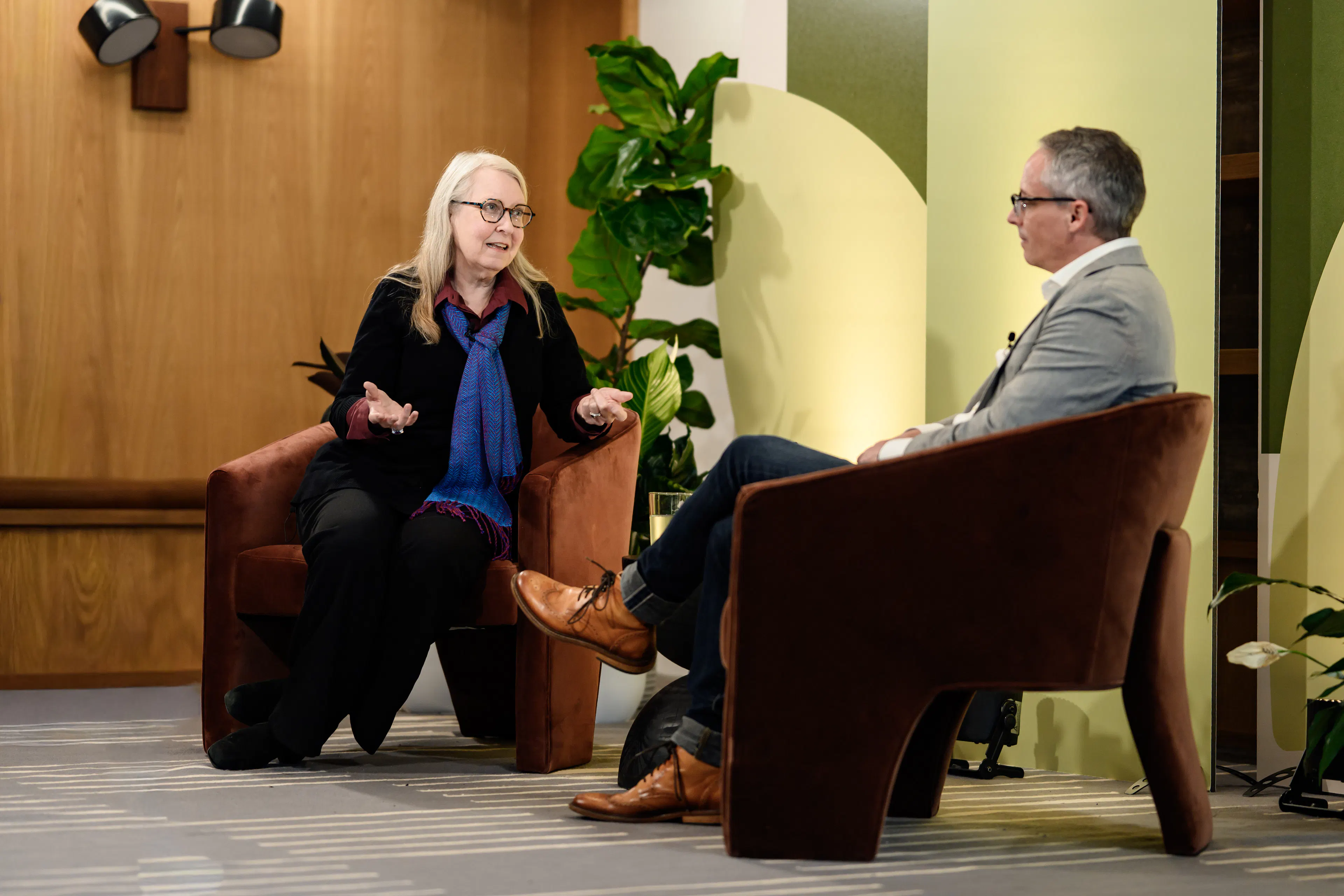
The common thread across the day was what it takes to keep a society capable of moving—capable of producing the buildings, the medicines, the technologies that don't yet exist. Virginia Postrel took it up in her conversation with Aaron Ross Powell, senior director of liberal projects at IHS and host of The Liberalism.org Show, drawing on the argument she's been developing since The Future and Its Enemies in 1998: The 1990s get remembered as a uniformly optimistic moment, but the challenge to dynamism was fierce then too. What's changed is that the political establishment of both parties used to mostly side with openness, and now mostly doesn't. Her answer was to tell better stories about ordinary things. The first commercial use of nylon wasn't stockings, she pointed out. It was toothbrush bristles, replacing the animal-hair-and-wood toothbrushes people had used for centuries.
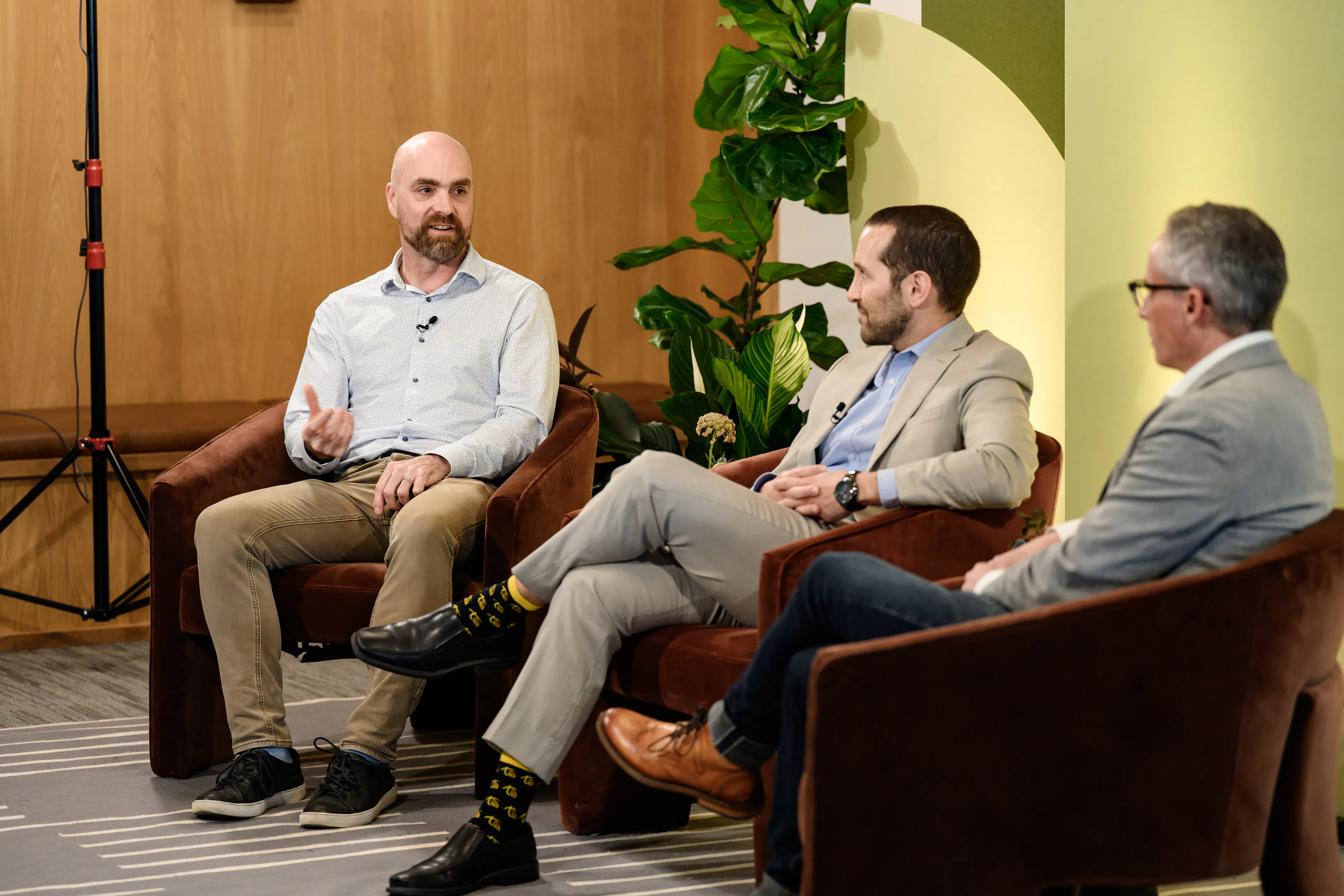
Troy Cross and Karim Farhat picked up the thread in their session on AI. The current debate, they argued, has settled into two unproductive poles: doomers convinced the world ends in ten years, and a "let it rip" camp convinced that concern itself is the threat. Both treat the technology as a question of identity rather than engineering. Troy walked through the cycle that tends to follow any disruptive technology—early excitement, backlash, partial failure, eventual integration—and noted that the same arc played out when the bicycle was introduced. Some of those fears were absurd in retrospect: men in the 1890s worried that women riding bicycles would be permanently disfigured by the rush of air on their faces. Others, with the automobile a few decades later, turned out to be correct. People worried about traffic deaths, supply-chain dependencies, and cities reorganized around cars rather than pedestrians. Those concerns were legitimate, and society absorbed them anyway, once the upside became visible.
Troy's question was what it would take to see the upside of AI earlier, while the costs are still being absorbed—and to be clear-eyed about what's worth protecting in the meantime. For him, one of the costs is already concrete: when a student can generate a plausible paper on any prompt, written work stops telling you what the student actually knows. He has redesigned his college courses around oral exams and one-on-one meetings about every paper. Sitting across from a student is the only reliable way to tell whether the thinking on the page is theirs—and it preserves something the technology doesn't replicate: the habit of working out a real thought with another person in real time.
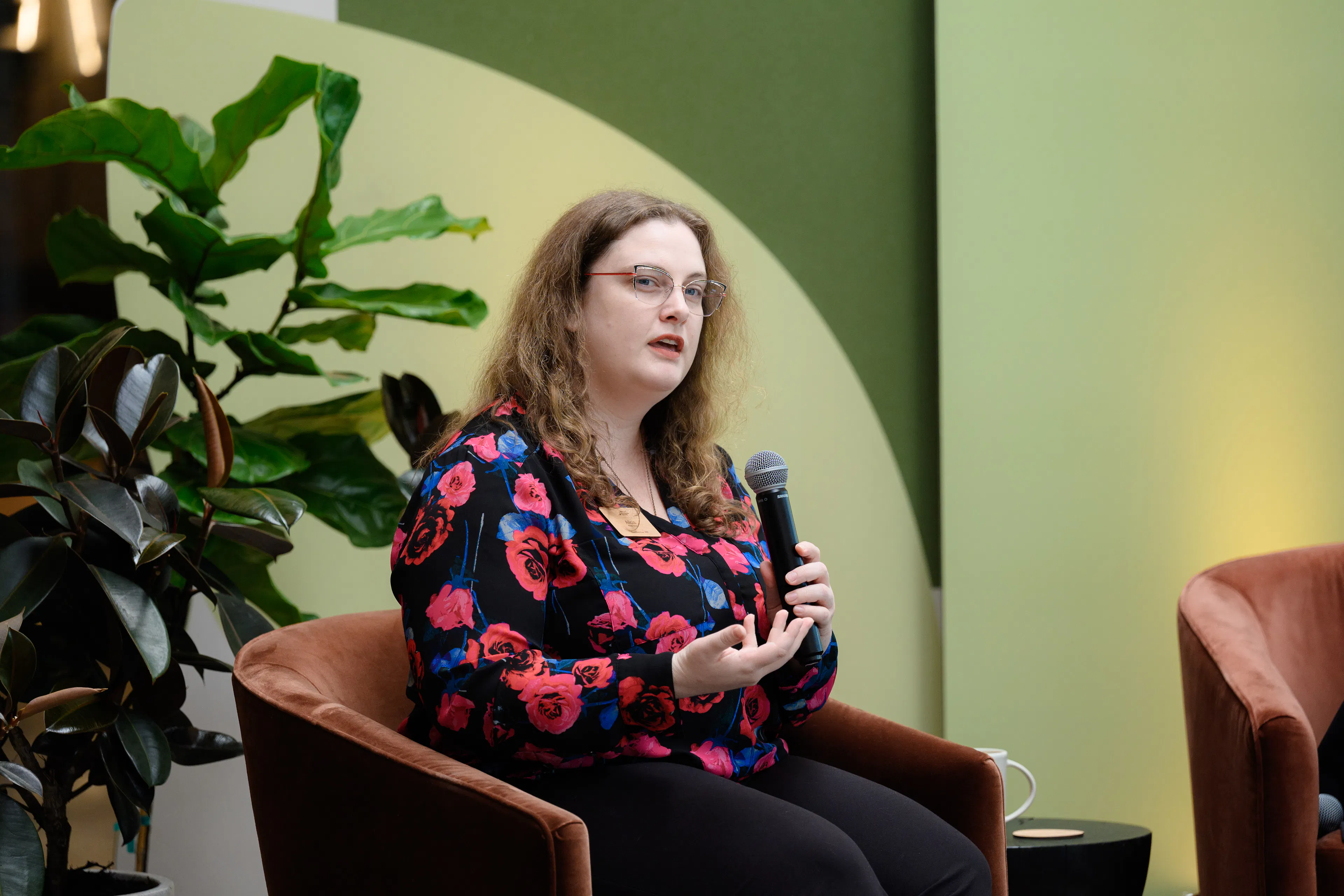
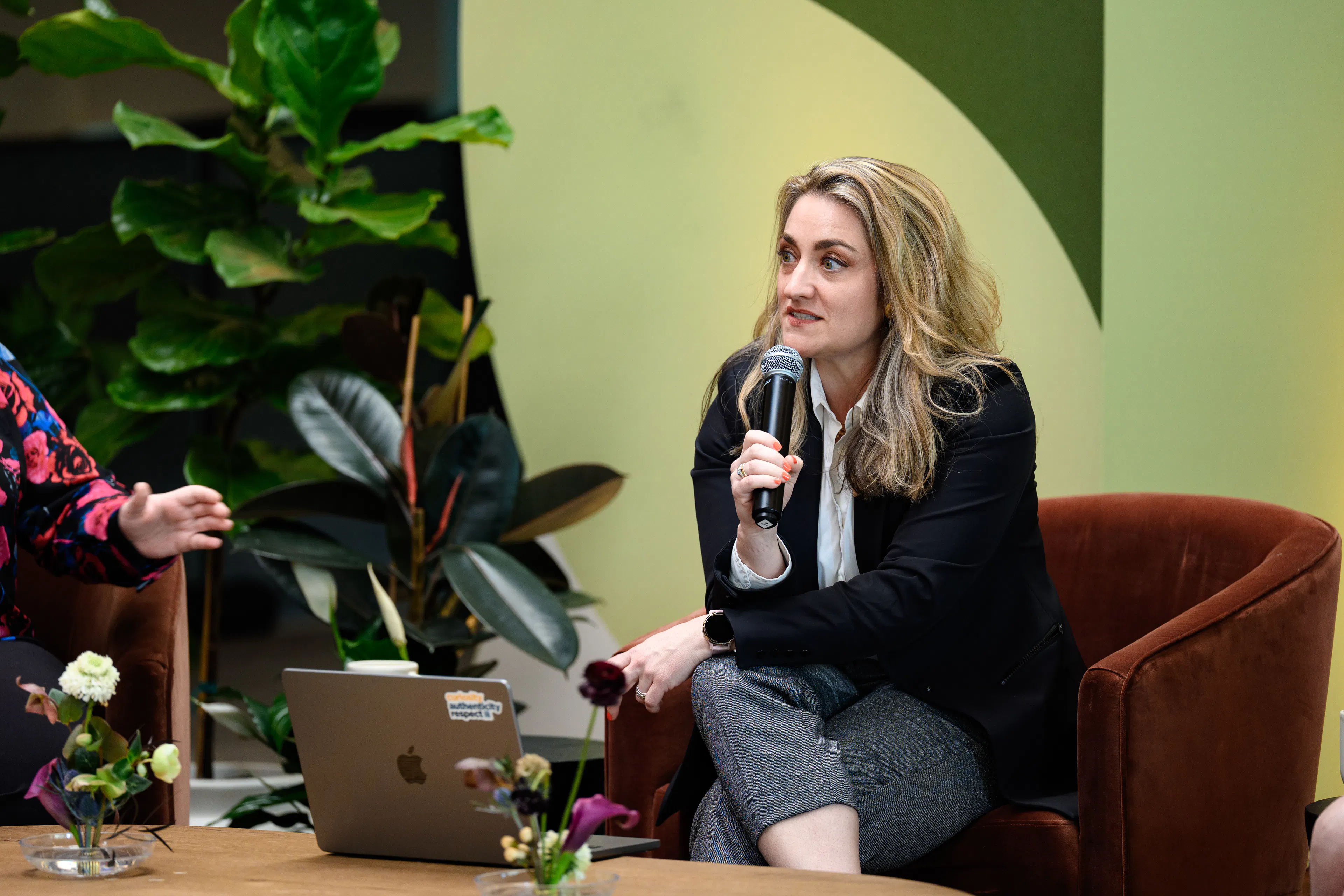
The clearest example of the "laws written for a country that no longer exists" problem came in Alicia Plemmons and Lauren Hall's session on health care. American medical regulation, they argued, was largely built for a world that hasn't existed in fifty years. A nurse practitioner's training today isn't comparable to 1975, but many states still treat them as though it is. The regulations were designed around a fixed picture of who was trained to do what, and they default to permission: providers can do nothing except the procedures explicitly listed for their role. That structure made more sense when training programs, technologies, and the evidence base changed slowly. It makes less sense now, when all three change constantly and the listed procedures lag behind the actual scope of competence. Plemmons and Hall called for inverting the logic: instead of listing what providers are allowed to do, list only what they're not. Let trained providers do what they're trained to do, except where there's actual evidence of harm.
Lauren told the story of a group of women who tried to open a birth center in the Bronx during the pandemic and ran out of money before they could clear New York's permitting process. Stories like that prompt reform by showing not just the bad thing that happened, but the good thing that didn't.
Sarah Kalange, who designed the event experience, pointed to something the format made visible. Bitcoin practitioners often get cast as outliers, even in a city as tech-friendly as Austin. What came through at Flourishing House, though, was deep curiosity, real interest in ideas outside their work, and a willingness to take what they heard back into their projects. A book lounge let guests request copies of titles by IHS scholars to be mailed afterward. Sign-ups came in well above what was planned for. Near the entrance to the event, an olive tree held wood leaves on which guests had written what flourishing meant to them. One read: "a world where autonomy and agency have meaning across politics, health care, education, and justice." Another simply said: "poverty is eradicated for good."
This is the work IHS exists to do. A free society is the most powerful discovery engine humans have built, but it doesn't run on its own. It needs people who think about how it works and people who build inside it to stay in contact, and it needs both to be aimed at the problems where their combined view actually moves things. Flourishing House was one room, for one day. The guests have gone back to their work—to the policy fights, the companies, the classrooms, the research, the patients, the buildings that don't yet exist—carrying with them the conversations and the people they met. That's where the answers get built.
Watch a recap of the event below: