In 2009, Guadalupe Correa-Cabrera took her first faculty job in Brownsville, Texas—a ten-minute walk from the birthplace of Mexico's most violent cartel. Today she studies the markets that borders create.
A few months into her first teaching job, Guadalupe Correa-Cabrera heard what she took for firecrackers. In Mexico, where she grew up, firecrackers are everywhere; the sound was familiar. It was gunfire, the sound carrying across the Rio Grande from Matamoros. Not long after, bullets from a firefight on the Mexican side struck the gym of her university, a block from where she lived.
She had arrived in Brownsville that August, a political scientist fresh from earning her PhD in New York City, hired by the University of Texas campus located closer to Mexico than any other in the country. The border fence cut across part of the campus itself. Just a ten-minute walk away, on the other side of a bridge spanning the Rio Grande, lay Matamoros: Brownsville's sister city and the birthplace of the Gulf Cartel. The cartel's former enforcers, recruited from Mexico's special forces, had already broken away to form Los Zetas and were on the verge of entering a brutal war with their former bosses.
Their deliberate use of terror, she argues in her book Los Zetas Inc., transformed the nature of organized crime in Mexico. "I didn't know the border until I lived there," she says. She lived there for eight years.
"I lived at the borderlands, and so I studied the border."
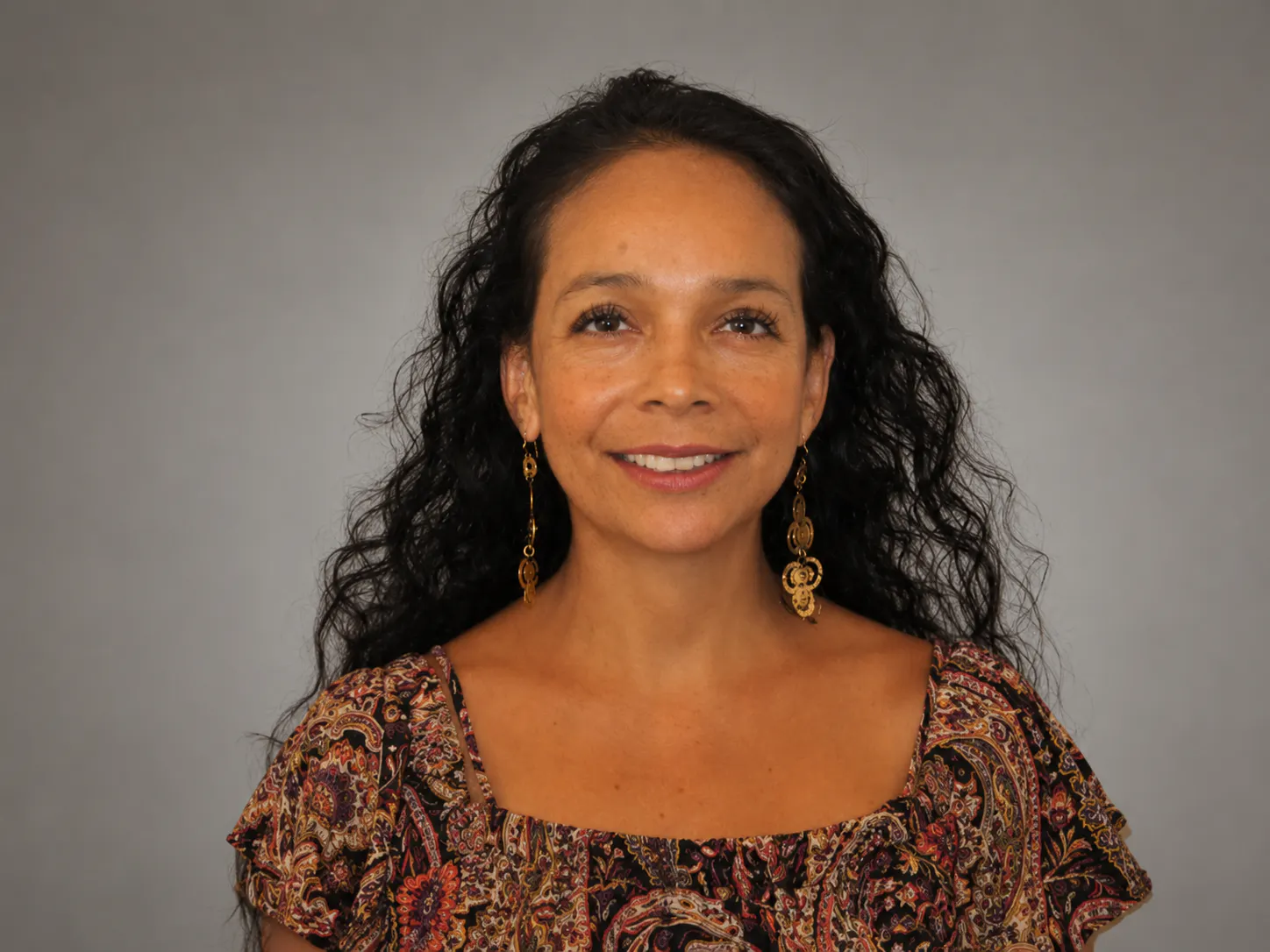
The subject was already personal. Correa-Cabrera was born and raised near Mexico City, got her economics degree there, and worked in Mexico's Ministry of Finance before going to New York for her doctorate. She comes from a family of migrants; relatives had crossed the border without papers in earlier decades and were regularized under the laws of the Reagan years. And in 2006, cartels threatened her father and demanded extortion payments. Four years later, she began studying them. "I lived at the borderlands, and so I studied the border," Correa-Cabrera said.
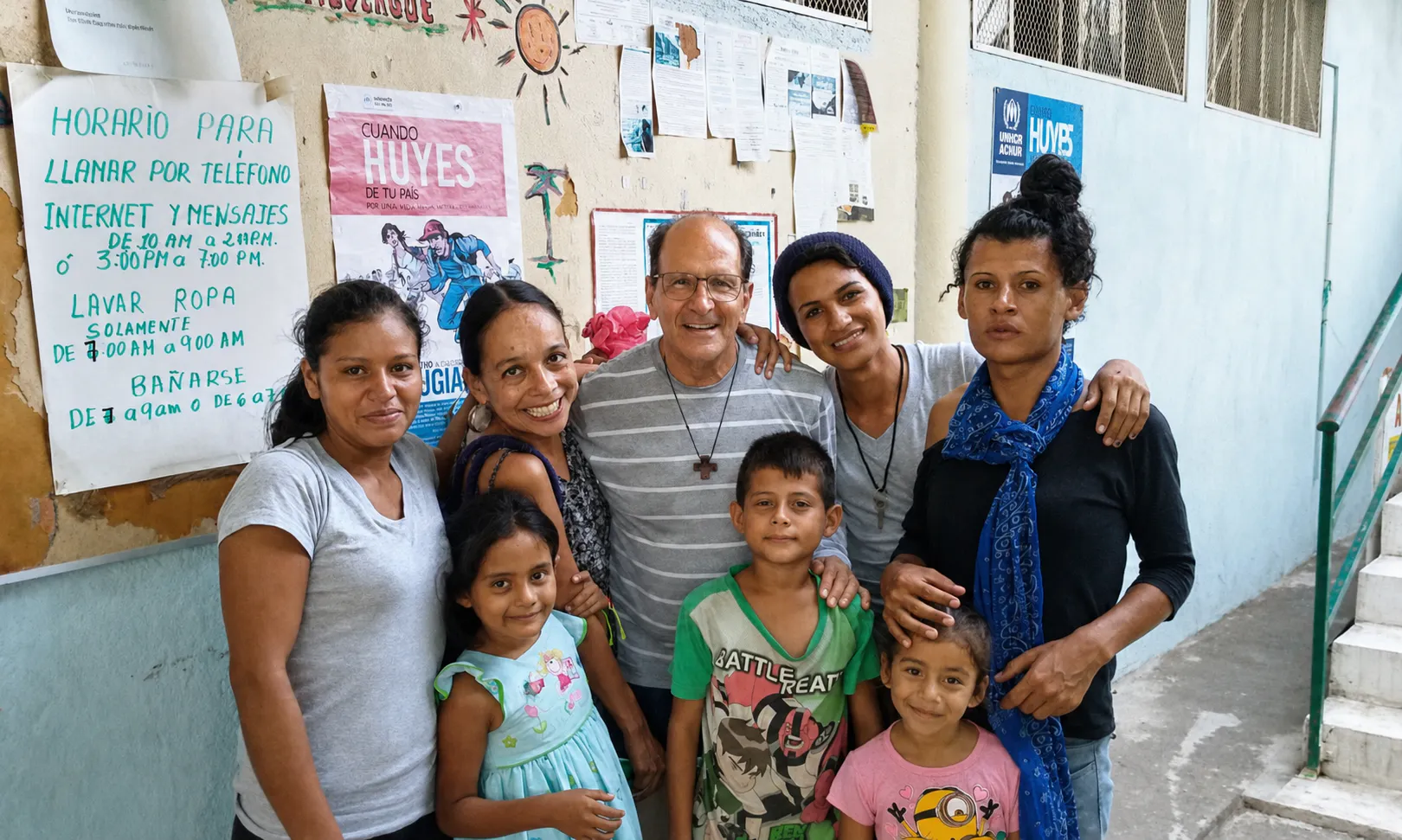
Then the violence across the river turned on migrants. In 2010, 72 migrants were massacred near San Fernando, south of Matamoros; the next year, mass graves in the same region gave up some two hundred bodies, most of them migrants. The cartels had diversified; no longer just drug traffickers, they were now in the business of moving, extorting, and enslaving people. To understand how, Correa-Cabrera spent a year and a half traveling the eastern migrant routes through Mexico, Guatemala, Honduras, and El Salvador, conducting hundreds of interviews, many in the shelters that stand along the way. She documented stories she still carries: people who lost limbs to the freight train they call La Bestia, women assaulted on the journey, and the advocates, like Father Alejandro Solalinde in Oaxaca, whom she watched help survivors put themselves back together.
Out of that research comes the book she is finishing now, "Coyotes LLC." It is a study of human smugglers, and she is precise about the term: smugglers sell mobility for a fee, while traffickers exploit people through force, fraud, or coercion. Her approach treats smuggling as what it is: a market. When demand for labor persists on one side of a border and policy blocks the legal path to it, supply and demand still meet—they simply meet in the shadows, on terms set by the most ruthless actors available. She points to the drug war as the template; prohibition did not end demand, it created the cartels. Restriction, her research shows, works the same way on human movement, enriching smugglers and exposing migrants to the worst of them.
"It's not the fence that stops the violence. It's the institutional arrangements."
The same logic runs through her answer to a question Americans ask constantly: what keeps cartel violence from crossing over? Not the fence, she says. Members of the same gangs that terrorize San Pedro Sula live in Northern Virginia, and they do not behave there the way they behave in Honduras, because American police function, courts work, and impunity is rare. "It's not the fence that stops the violence," Correa-Cabrera says. "It's the institutional arrangements." What protects Americans is not the wall at the border but the strength of the institutions behind it.
That argument has carried her from Brownsville to George Mason University's Schar School of Policy and Government, where she is a professor and co-director of the Corruption, Networks, and Transnational Crime Research Center (CONTRA). It has also brought her back to an organization she first met long before any of it. As a graduate student in 2003, she attended an IHS summer seminar at the University of Virginia, and returned two years later: days of debates with people she would never have met otherwise—the kind of conversations that she says rearranged her map of the world. Two decades on, IHS is at the other end of the story. An IHS course buyout grant is freeing her from the classroom this year to finish "Coyotes LLC," and she has become a regular voice in IHS's immigration research community.
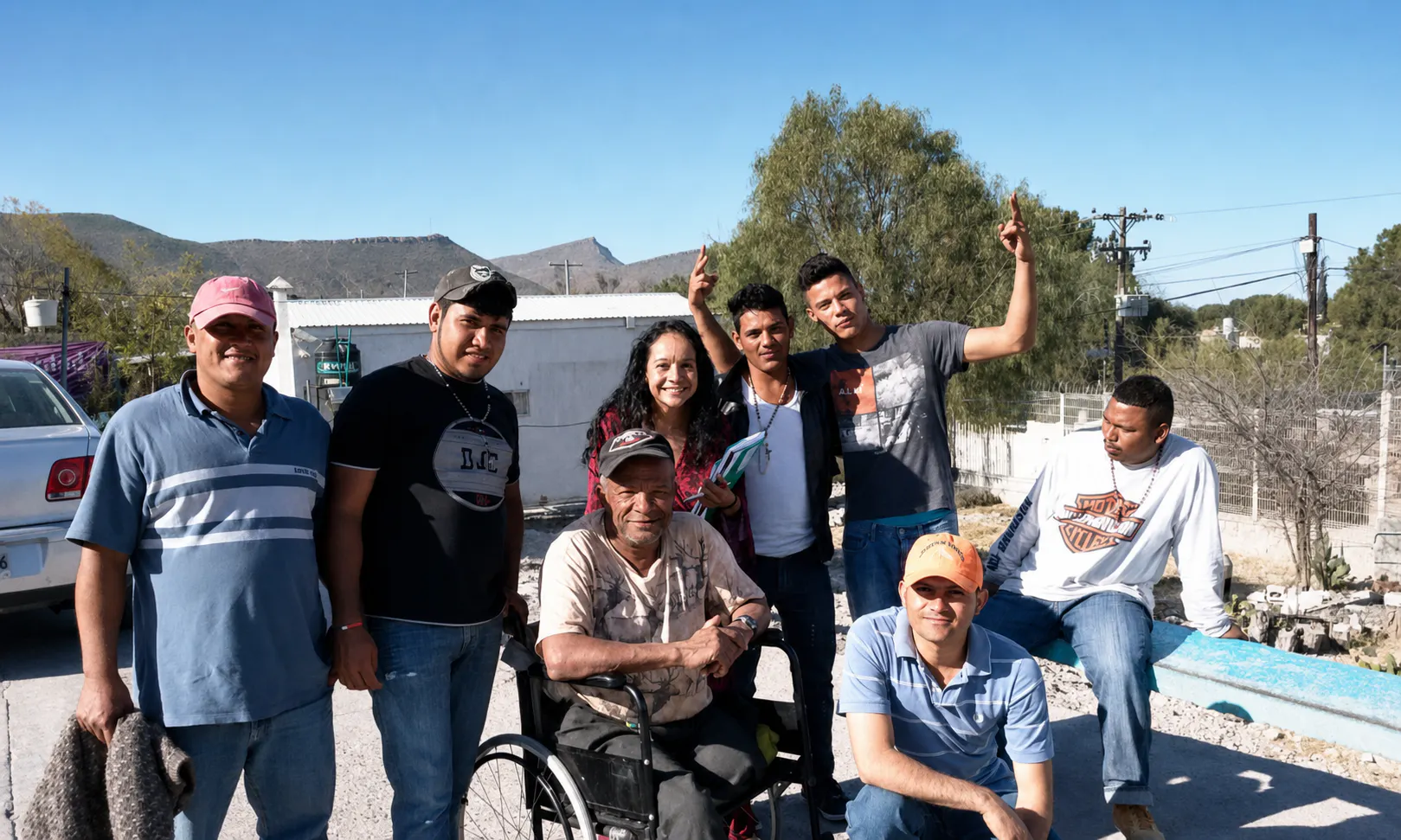
That community is one of many rooms she moves through, and the rooms rarely share members: migrant shelters, security conferences, government briefings, and classrooms. Academics, she observes, tend not to talk to policymakers, and neither likes talking to advocates much—yet each holds a piece of the picture, and better policy starts when they sit at the same table. She is convinced the common ground is there. "Nobody wants people to be killed," she says.