IHS Opens Research Funding on Cost of Living, Digital Governance, and Nuclear Energy
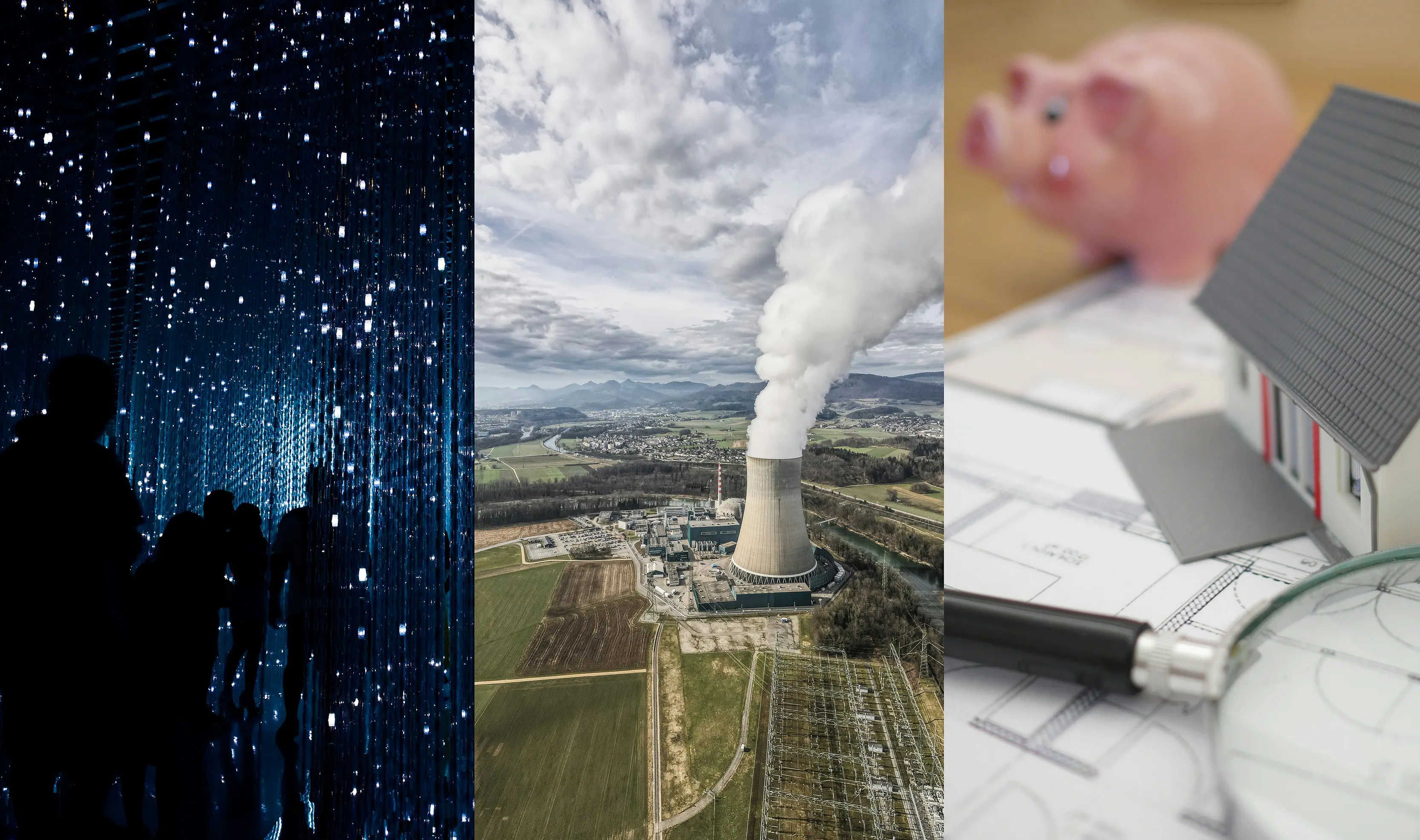
At America’s 250th anniversary, the institutions free societies depend on are under pressure on several fronts at once. Electricity demand is growing faster than the grid was built to carry. Governments are adopting digital tools faster than anyone has mapped the institutional implications. The cost of American life keeps rising, reshaping basic decisions about work, family, and place. IHS is opening three new research funding opportunities for scholars examining each of these questions.
Cost of Living
What does it actually cost to live well in America? The answer runs through housing, energy, childcare, health care, taxes, and the quality of local institutions. It shapes how families plan, where people work, and whether they stay.
This RFP invites proposals from scholars using the ScholarsEdge Cost of Living tool to examine what those conditions reveal about the health of a free society, and what the variation between American communities tells us about the institutions shaping daily life.
Digital Governance as Liberal Experimentation
Governments are adopting digital tools at a growing pace: AI-assisted services, blockchain-based records, encrypted communications. Most of the conversation around them asks whether the state can deliver services more efficiently.
Efficiency is the surface question. The deeper one is institutional: do these tools reinforce the checks, transparency, and accountability free societies depend on, or quietly erode them? The same technology can extend state capacity in either direction.
This RFP invites scholars to examine how digital governance can serve, rather than supplant, the institutions a free society runs on.
Nuclear Energy and the Challenge of a Growing Grid
Nuclear energy is back at the center of American energy policy. Advanced reactor designs, including small modular reactors, have renewed serious attention to a question that had gone quiet for decades. So has the math: electricity demand is rising, the grid is under pressure, and the carbon constraints on how that demand gets met are binding.
The Nuclear Regulatory Commission governs licensing at the federal level, but what gets built is also shaped by state and local approval systems, energy market structures, and public perception. The regulatory architecture was designed for a different era of reactor design and a different political moment. Whether it can accommodate what comes next is unsettled.
This RFP invites scholars to examine how regulatory design shapes what free societies can build, and whether the institutions governing nuclear energy are equipped for what comes next.
All three RFPs relate to IHS initiatives. IHS funds the scholarship, convenes the scholars doing the work, and builds the infrastructure the questions require. ScholarsEdge, IHS's AI-powered research platform, is evidence of that commitment to rigorous scholarship on the principles and practices of freedom. It aggregates economic, social, and environmental data at the ZIP-code level from dozens of authoritative sources, including housing, income, taxes, energy, health care, education, crime, and environmental indicators. The Cost of Living tool is the first application; the same platform supports research across all three RFPs.
For questions about any of these opportunities, reach out to our grants team at RFP@TheIHS.org.