
In 1989, Mitch Mitchell spent a summer in East Germany building a municipal swimming pool that nobody expected to be built. Today he studies the rules that decide who is allowed to practice medicine in America.
In the summer of 1989, David "Mitch" Mitchell crossed from West Berlin into East Berlin and stepped into a different world. West Berlin had color, from Coca-Cola signs to shop windows full of things people wanted. East Berlin was orderly and drained of life, with statues of Lenin and Marx standing where storefronts might have been. The Berlin Wall would fall four months later. Nobody knew that yet.

In Leipzig, Mitchell joined a construction crew of eight American students and a rotating cast of East Germans, all nominally at work on a municipal swimming pool. The project had been underway for five years. It was not close to being finished, and nobody seemed troubled by this. The only workers who moved with urgency were the ones whose special job titles gave them access to a shed and tools. They were building furniture to sell on the black market.
The privilege ran further up, too: party members had access to Western currency and to special Intershop stores that ordinary citizens could barely enter. Mitchell had always been suspicious of unaccountable authority. That summer turned an intuition into a conviction.
"The ideas felt like I was coming home." — Mitch Mitchell
Back at Clemson, professors Bruce Yandle and Don Boudreaux urged him toward graduate school and IHS summer seminars. He had never heard of going to "summer camp to learn about ideas." He applied anyway, and at those seminars he read Hayek for the first time. “The ideas felt like I was coming home,” Mitchell said.
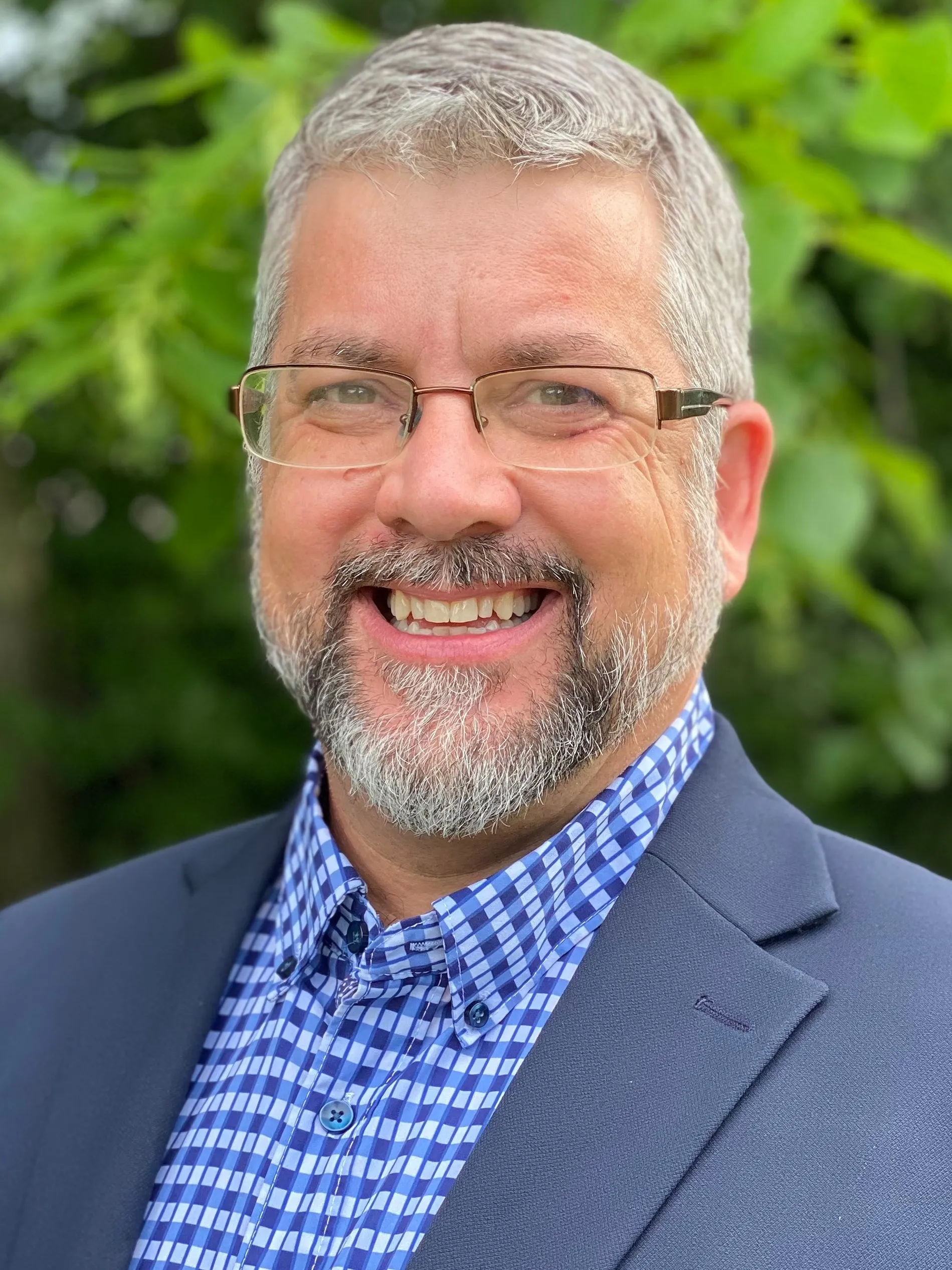
At George Mason University, he studied under James Buchanan and took Vernon Smith's summer course in experimental economics. These were two Nobel laureates who had built careers on versions of the question he had been asking since Leipzig: when institutions restrict what people can do, who benefits? He eventually trained that question on one of the least visible supply restrictions in American life: the rules that determine who is allowed to practice medicine.
Nurse practitioners receive graduate-level clinical training and are qualified to diagnose, treat, and prescribe. Yet for decades, most states required them to work under physician supervision, less to protect patients than to limit competition. It resembled the swimming pool in Leipzig: a system that worked well for a select group inside it.
Beginning in the mid-2010s, Mitchell started publishing research on what happens when states lift those restrictions. Across multiple studies the evidence was consistent. Access improved, especially in rural communities. Costs fell. Outcomes remained comparable to physician-led care. The fears cited to justify the restrictions were not materializing.
IHS backed the work early and then helped Mitchell build a field around it, organizing workshops that convened the economists and health policy scholars working on scope of practice, many of whom became his collaborators. When Mitchell first wrote about nurse practitioners, a handful of states allowed them to practice without physician oversight. By his most recent count, roughly half the country has adopted some form of expanded practice authority. He is careful not to overclaim; policy change rarely has a single cause. But his research has been present in the rooms where those decisions were made.
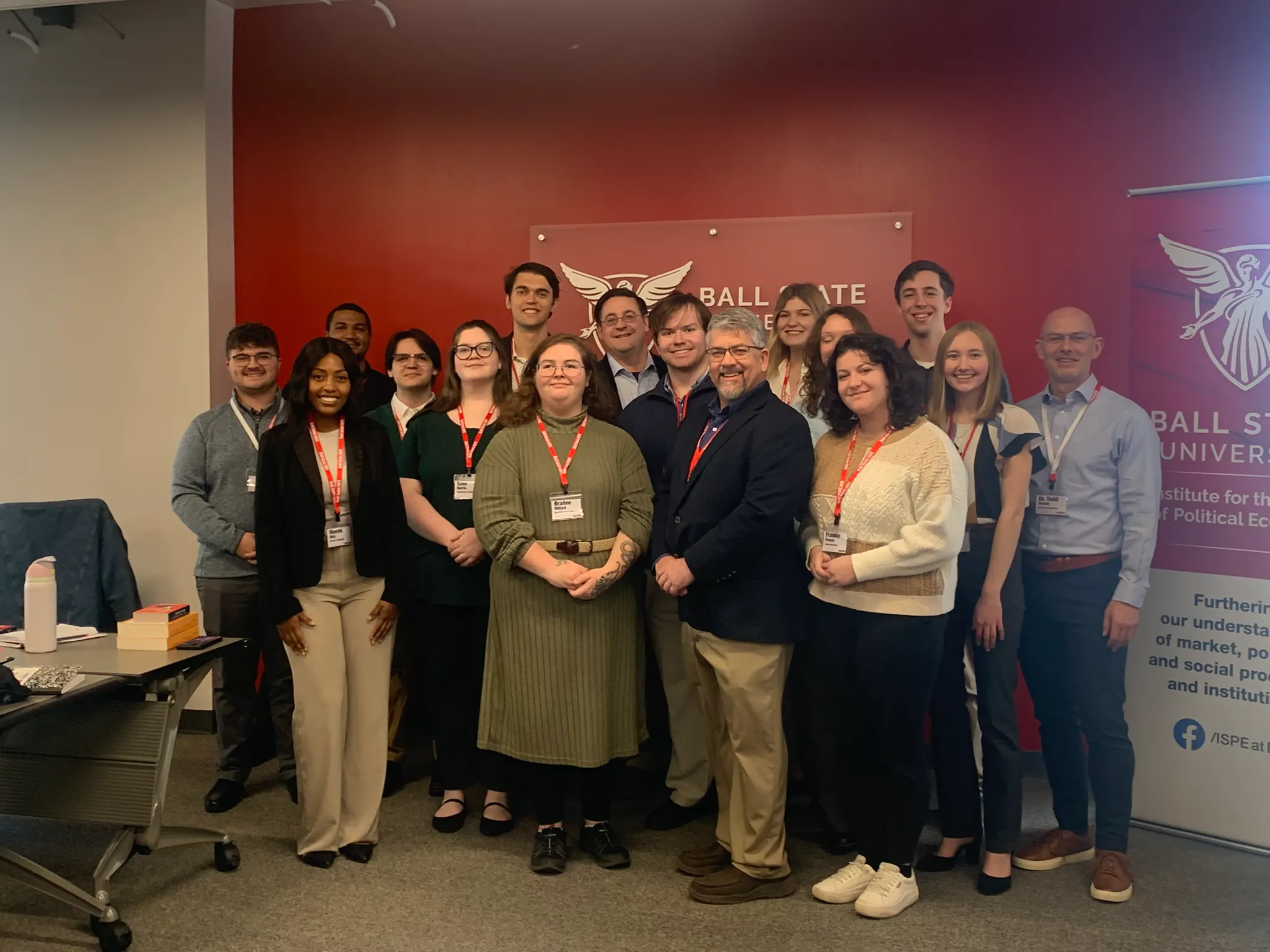
Today Mitchell directs the Institute for the Study of Political Economy (ISPE) at Ball State University, and IHS is invested in what happens inside it.
Two IHS grants—one for educational entrepreneurship and one tied to America's 250th anniversary—are funding a year of undergraduate programming. Activities include semester-long reading groups, a speaker series, student research fellowships, and a colloquium that drew students from seven colleges across the Midwest for a day of discussing Adam Smith.
More than seven hundred students took part in ISPE programming last year, in compressed versions of the seminars Mitchell attended as a student. He knows that a Ball State undergraduate giving up a weekend is giving up a shift at GrubHub or Menards, so he pays them for their time.
Some of it closes a circle. Vernon Smith, the Nobel laureate who taught Mitchell at George Mason, came to Ball State to speak to his students. One cohort published an essay with Liberty Fund on tax policy in the American colonies. And students studying what the founders read traveled to Princeton, where they saw an original printing of the Declaration of Independence and George Washington's own copy of The Wealth of Nations. One student wrote afterward that she "didn't want to breathe for fear of messing up something so precious."
In a recurring workshop, a magician friend of Mitchell's shows students how illusions work: you think you are choosing freely, but the outcome was arranged before you arrived. Regulatory capture works the same way. His students learn to ask who is actually making the choices.